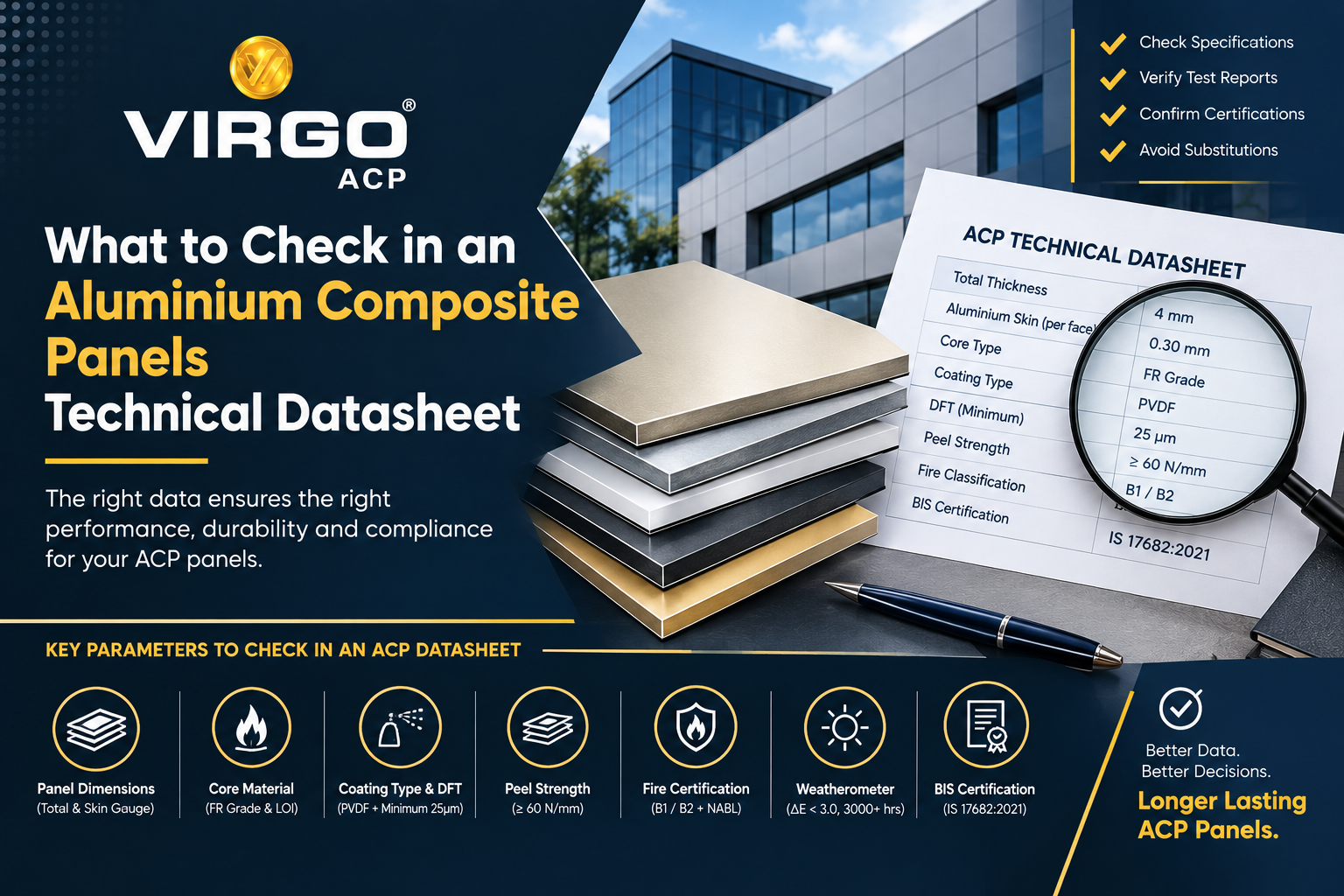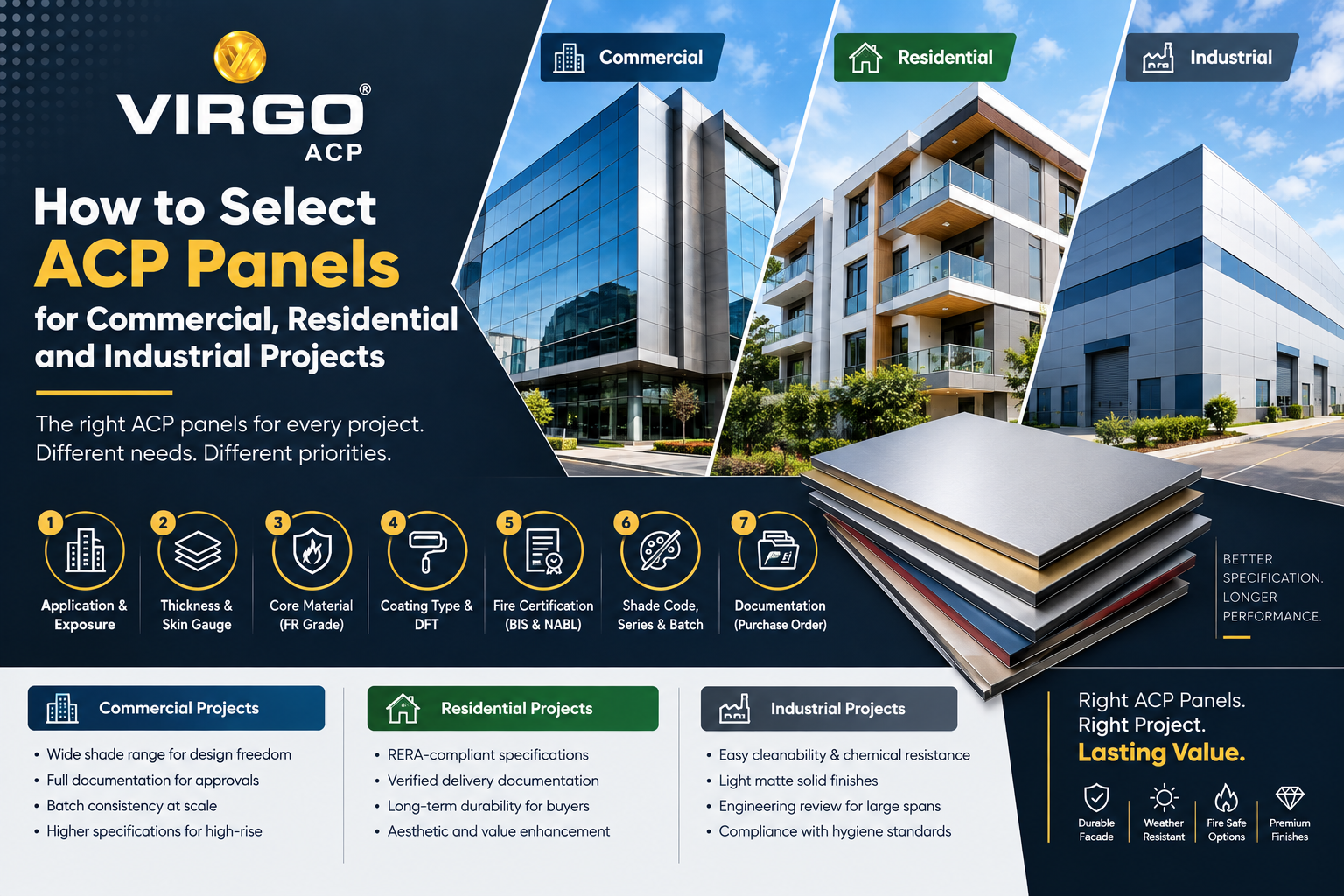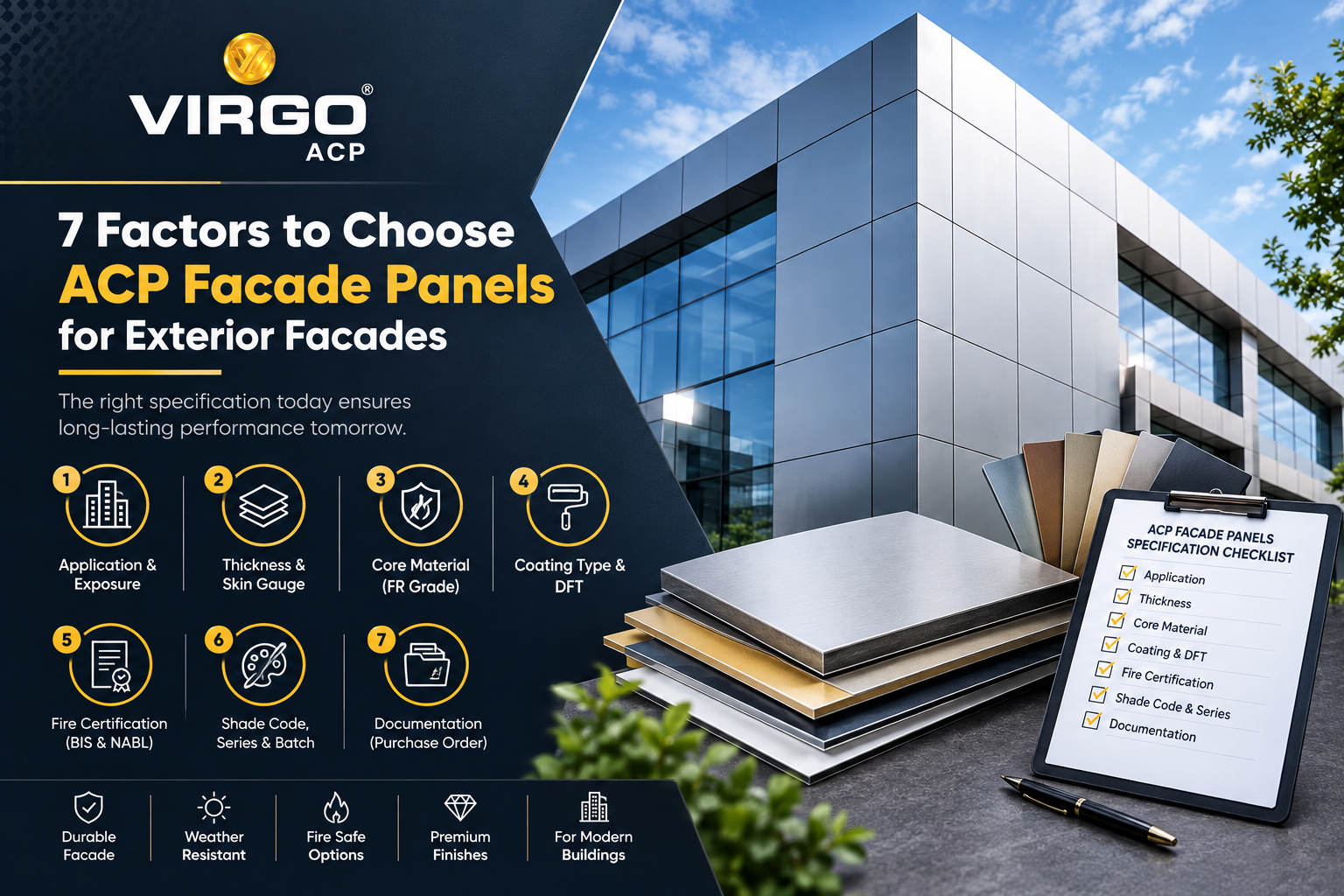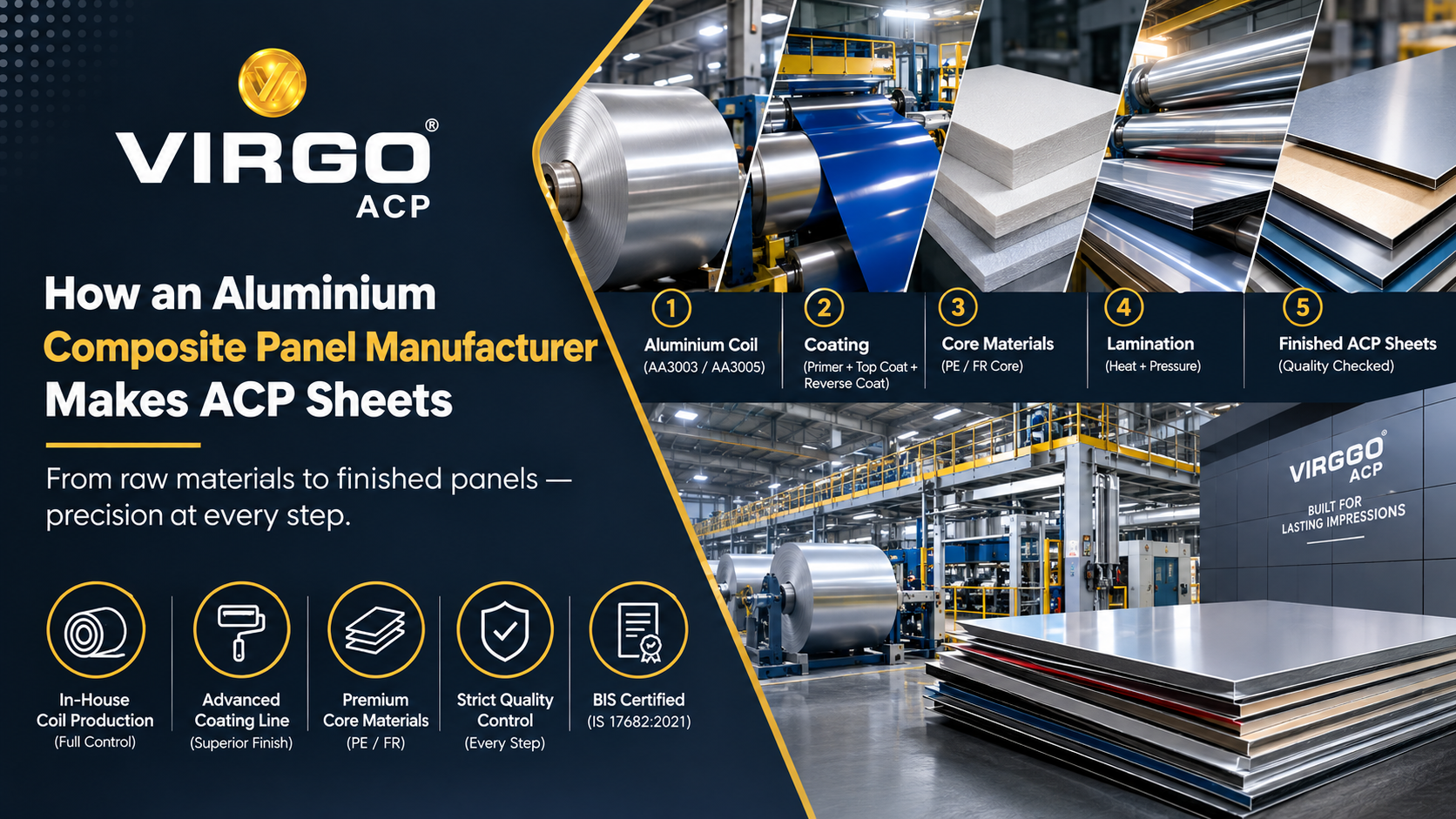
Introduction
The choice of cladding material can make or break a building project. With modern architecture demanding materials that are durable, lightweight, visually dynamic, and fire-safe, ACP sheets have risen to the top of the specification list for architects and builders across India. But how do they actually compare against traditional cladding options like stone, brick, glass, and cement boards? This in-depth comparison covers everything you need to know before making your next cladding decision.
Whether you are designing a commercial tower, renovating a retail outlet, or specifying materials for an institutional building, understanding the strengths and limitations of each cladding type is critical. And if you are considering ACP panels supplier in India options, this guide will also help you ask the right questions.
The Rise of ACP in Indian Construction
Aluminum Composite Panels entered the Indian construction market in the early 2000s and have since grown into one of the most widely specified facade materials in the country. Their rise has been driven by a combination of factors: rapid urbanisation, growing demand for contemporary aesthetics, cost pressure, and the evolution of building codes that now recognise fire-rated panel grades.
Today, an ACP sheets manufacturer in India services everything from petrol pump canopies to airport terminals. The material has proven itself across climate zones, building typologies, and project budgets.
Traditional Cladding Materials: A Quick Overview
Before comparing, it helps to understand what the traditional options bring to the table.
- Natural Stone Cladding- Granite, sandstone, and marble have been used in Indian architecture for centuries. They offer a premium aesthetic and excellent durability but come with high weight, significant installation complexity, and a steep price point.
- Brick and Masonry Veneer- A staple of vernacular Indian construction, brick veneer is structurally sound and thermally efficient. However, it is heavy, slow to install, and limited in design versatility.
- Glass Curtain Walls-Glass facades are popular in corporate and commercial buildings. They create a sleek, modern appearance but are expensive, require specialist installation, and present challenges in terms of heat gain and maintenance in Indian conditions.
- Fibre Cement Boards- Fibre cement boards are a relatively newer option offering better fire resistance than wood but limited aesthetic range and a heavier weight than ACP cladding sheets.
- EIFS / Synthetic Plaster-Exterior Insulation and Finish Systems (EIFS) or synthetic plaster are used for textured wall finishes. They are cost-effective but vulnerable to impact damage and moisture ingress over time.
ACP Sheets: Advantages Over Traditional Cladding
Weight and Structural Load
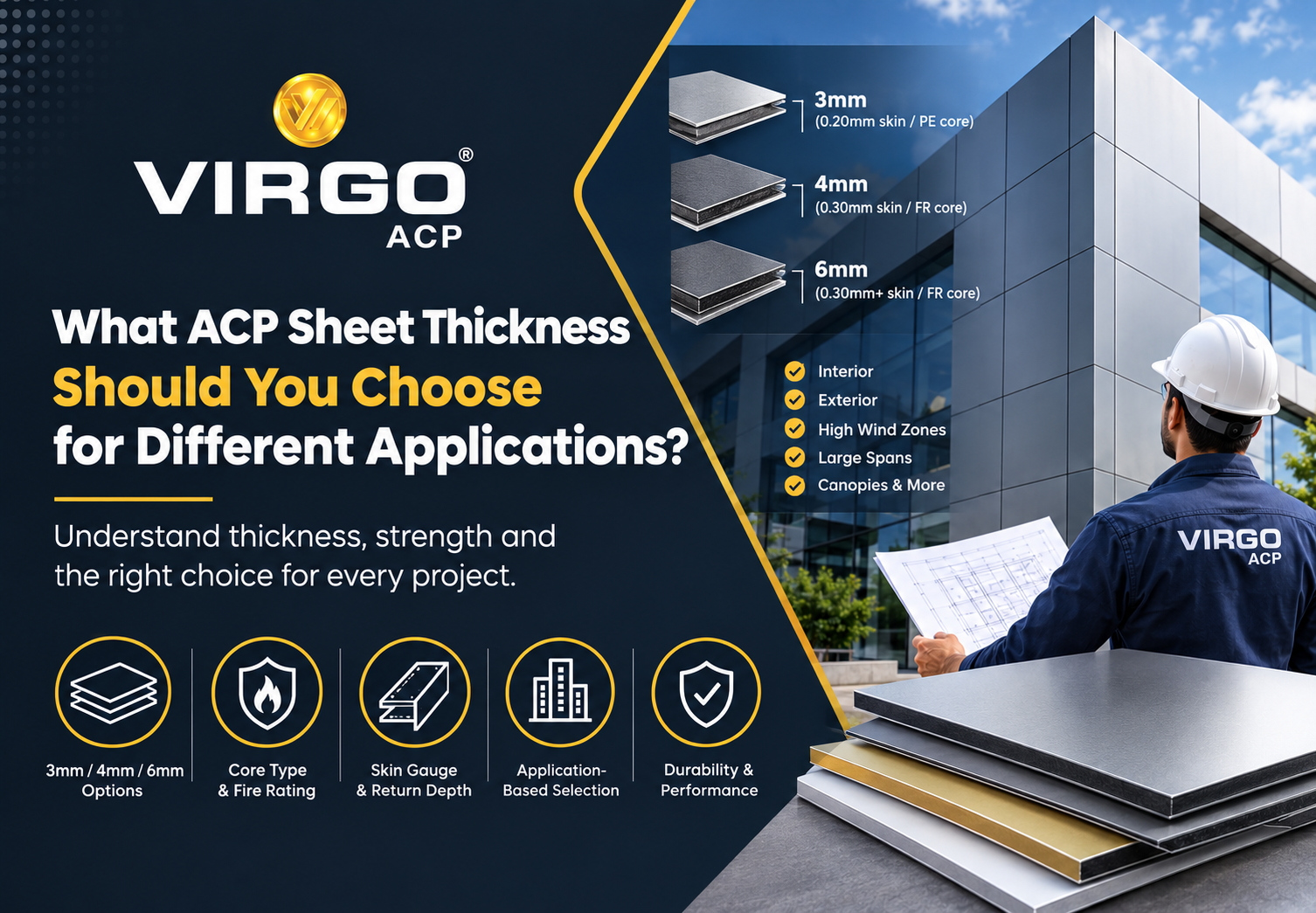
One of the most significant advantages of aluminum composite panels is their low self-weight. At approximately 3 to 6 kg per square metre depending on thickness, ACP panels place far less structural load on a building compared to stone (which can weigh 80-100 kg per sqm) or brick veneer. This reduces foundation and substructure costs, particularly for retrofit and renovation projects.
Speed of Installation
ACP facade panels are supplied in large sheets that can be quickly cut and installed using standard fabrication tools and dry cladding systems. Compared to stone cladding, which requires skilled masons and curing time, ACP panels can be installed three to five times faster, directly reducing labour costs and project timelines.
Design Flexibility
No traditional material matches the design versatility of ACP cladding sheets. They are available in:
- Hundreds of solid colours and metallic finishes
- Wood grain, stone, and marble textures
- Mirror and brushed metal looks
- Custom digital prints for branded facades
This makes ACP the preferred choice for retail branding, hospitality design, and modern residential facades.
Durability and Weather Resistance
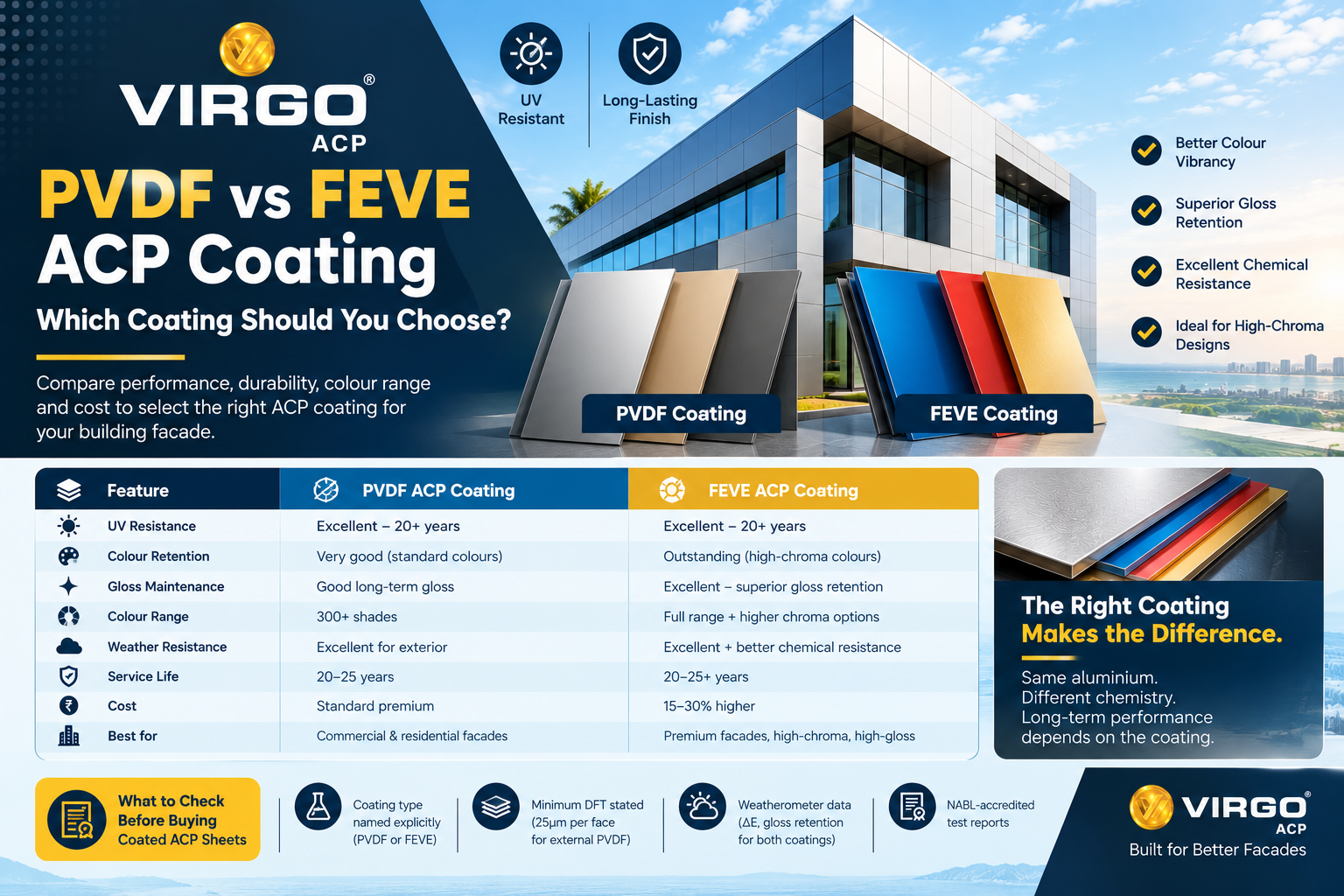
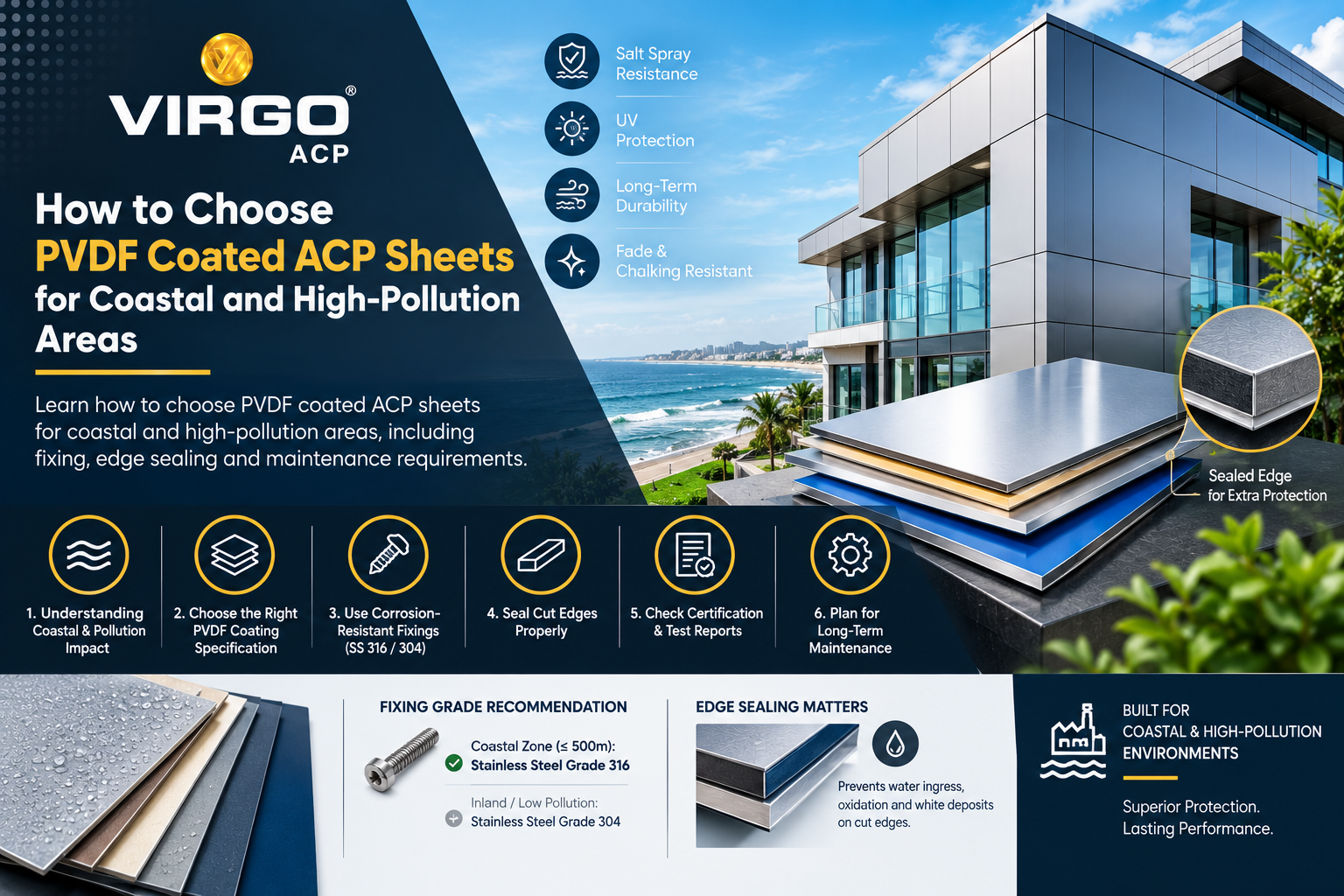
PVDF coated ACP sheets offer outstanding resistance to UV radiation, rain, humidity, and industrial pollutants. In Indian coastal and tropical conditions, PVDF-coated panels retain their colour and surface quality significantly longer than painted brick, natural stone, or cement-based finishes.
Fire Safety
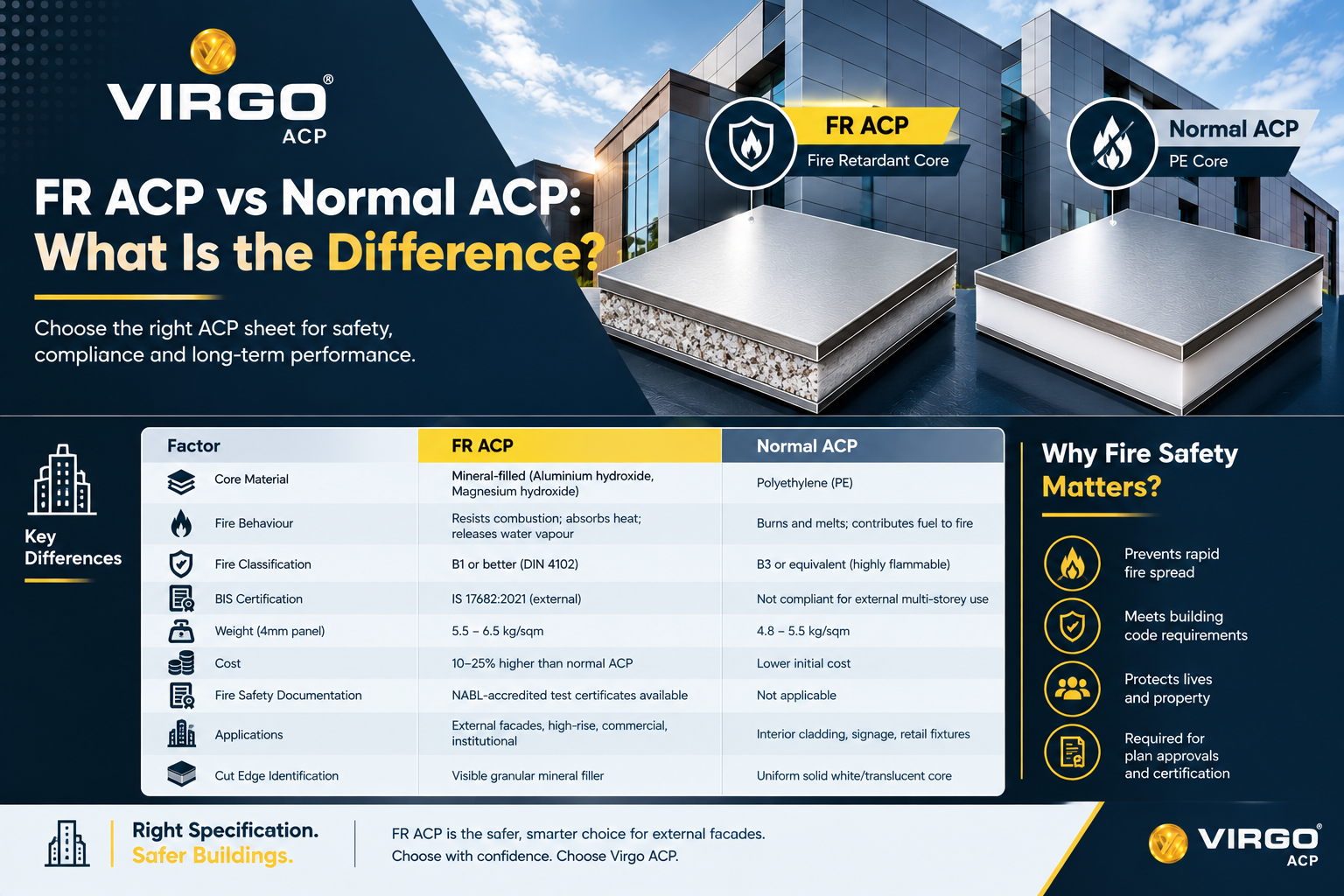
This is an area where ACP has faced scrutiny, particularly after high-profile fire incidents involving standard PE-core panels. However, FR grade ACP panels with mineral-filled cores have addressed this concern comprehensively. These panels carry fire certifications and comply with current Indian building codes for high-rise and commercial construction. When properly specified, FR grade panels outperform many traditional cladding options in fire containment.
Cost Efficiency
When evaluated on a total-cost-of-ownership basis, ACP panels offer better value than natural stone, glass curtain walls, and even many composite options. This is especially true for building facade materials used across large surface areas where material weight and installation speed are key cost drivers.
Where Traditional Materials Still Have an Edge
It is important to be balanced. Traditional materials still have specific advantages:
- Natural stone: Unmatched prestige aesthetic for heritage or luxury projects.
- Brick: Superior thermal mass and excellent local availability in many Indian regions.
- Glass: Ideal for transparency-centric design in corporate buildings where daylighting is a priority.
For projects where aesthetics are purely traditional or heritage compliance is mandated, stone or brick may be the only appropriate choice. But for the vast majority of modern Indian construction, ACP delivers superior performance across most key parameters.
What Do Architects and Builders Prefer in 2026?
Surveys and procurement data from India’s leading architecture firms consistently show ACP panels growing their share at the expense of heavier, more expensive traditional materials. Key reasons cited include:
- Faster project delivery timelines driven by the speed of ACP installation
- Greater design latitude for creating distinctive facades within budget
- Improved confidence in FR grade ACP panels following updated building codes
- Lower lifecycle maintenance costs compared to painted or treated natural materials
Conclusion
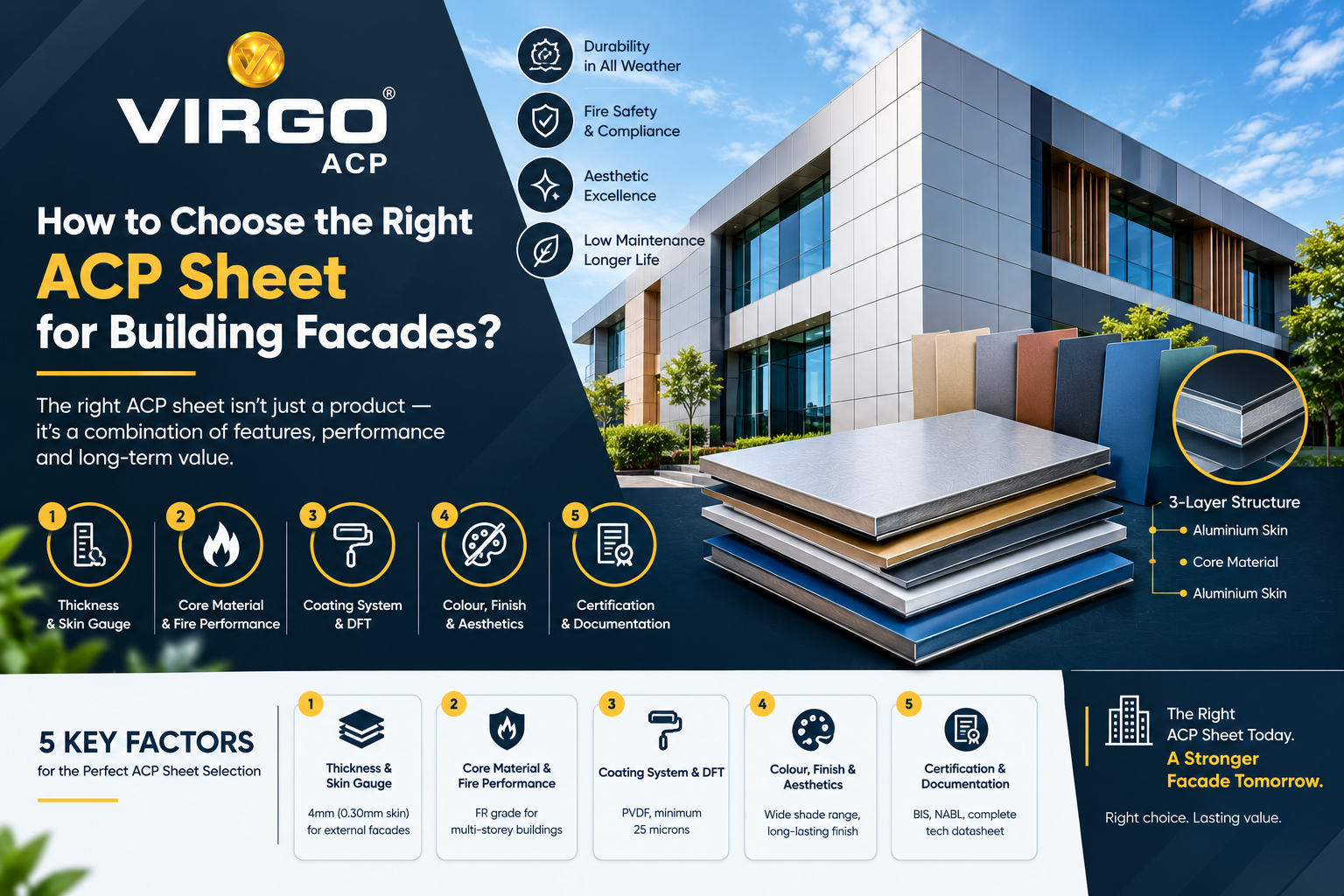
For modern Indian buildings, ACP sheets offer a compelling combination of lightweight performance, design flexibility, weather resistance, and cost efficiency that traditional cladding materials simply cannot match in most scenarios. When properly specified, particularly with PVDF coating for exteriors and FR cores for compliance, aluminum composite panels are among the best-performing building facade materials available today.
The comparison is not about dismissing traditional materials entirely but about matching the right material to the right application. For high-performance, visually dynamic, and cost-efficient cladding on modern buildings, ACP is the clear frontrunner.
Explore building facade materials and exterior wall cladding panels at our website.