
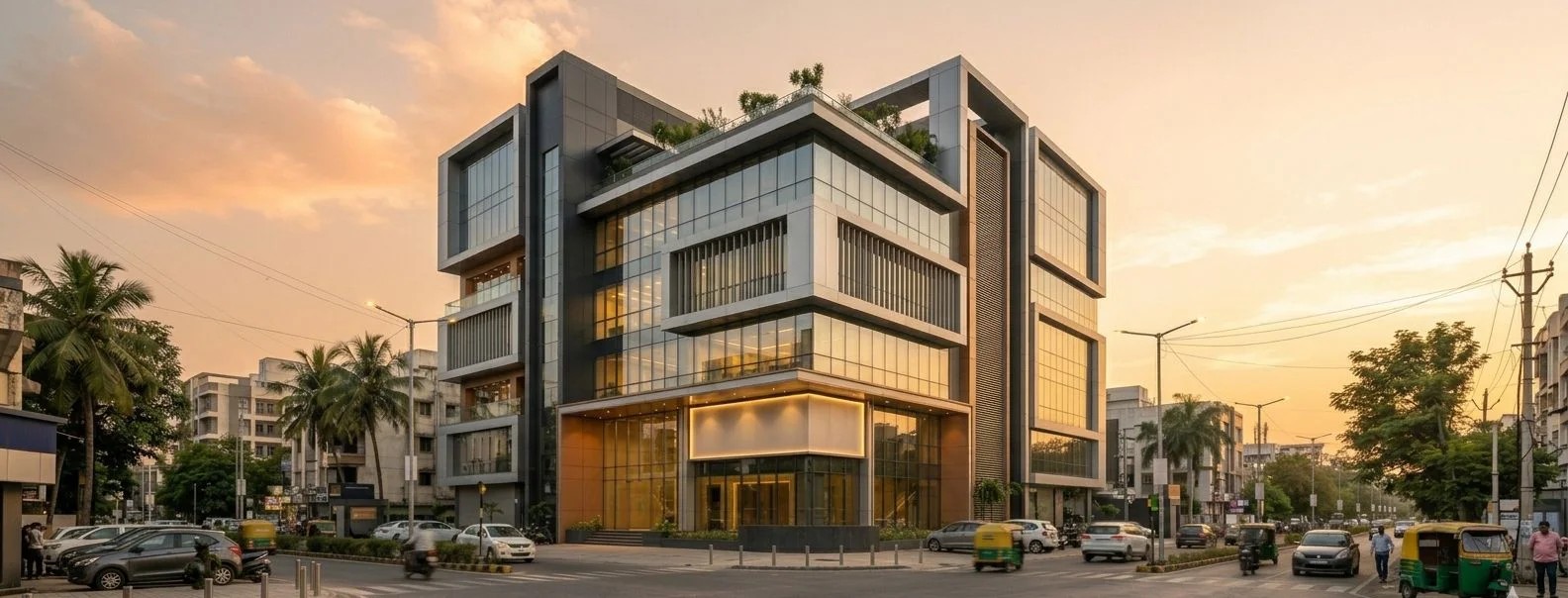
Why Thickness Matters
ACP panel thickness plays a critical role in determining the durability, stability, and overall performance of a facade. Selecting the correct thickness ensures the structure can withstand environmental forces while maintaining long-term aesthetic appeal.
- Impacts durability and lifespan
- Determines resistance to wind loads
- Ensures structural stability
- Affects maintenance and long-term performance
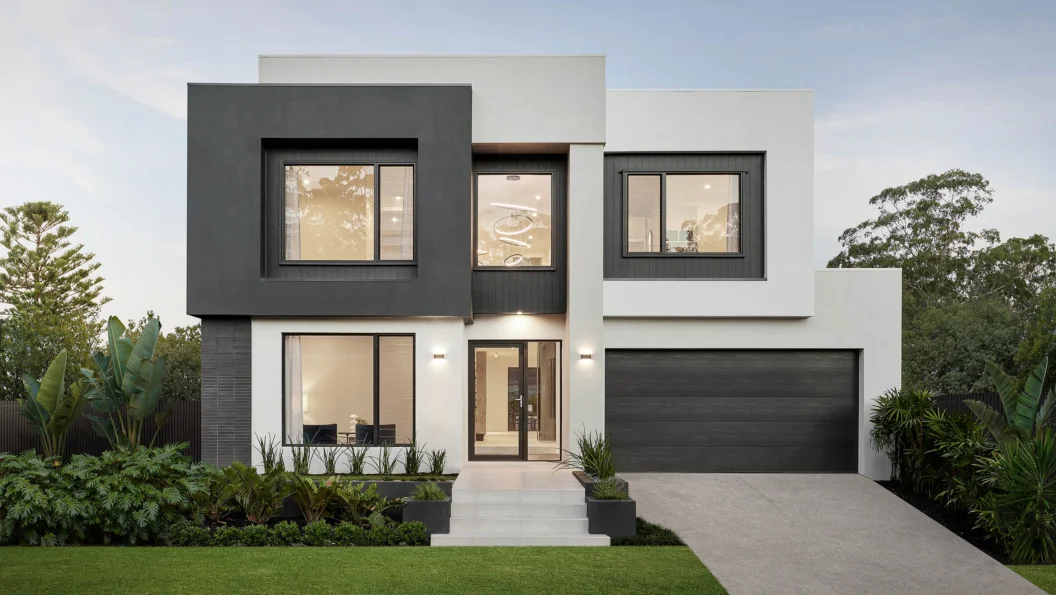
ACP Thickness by Building Height
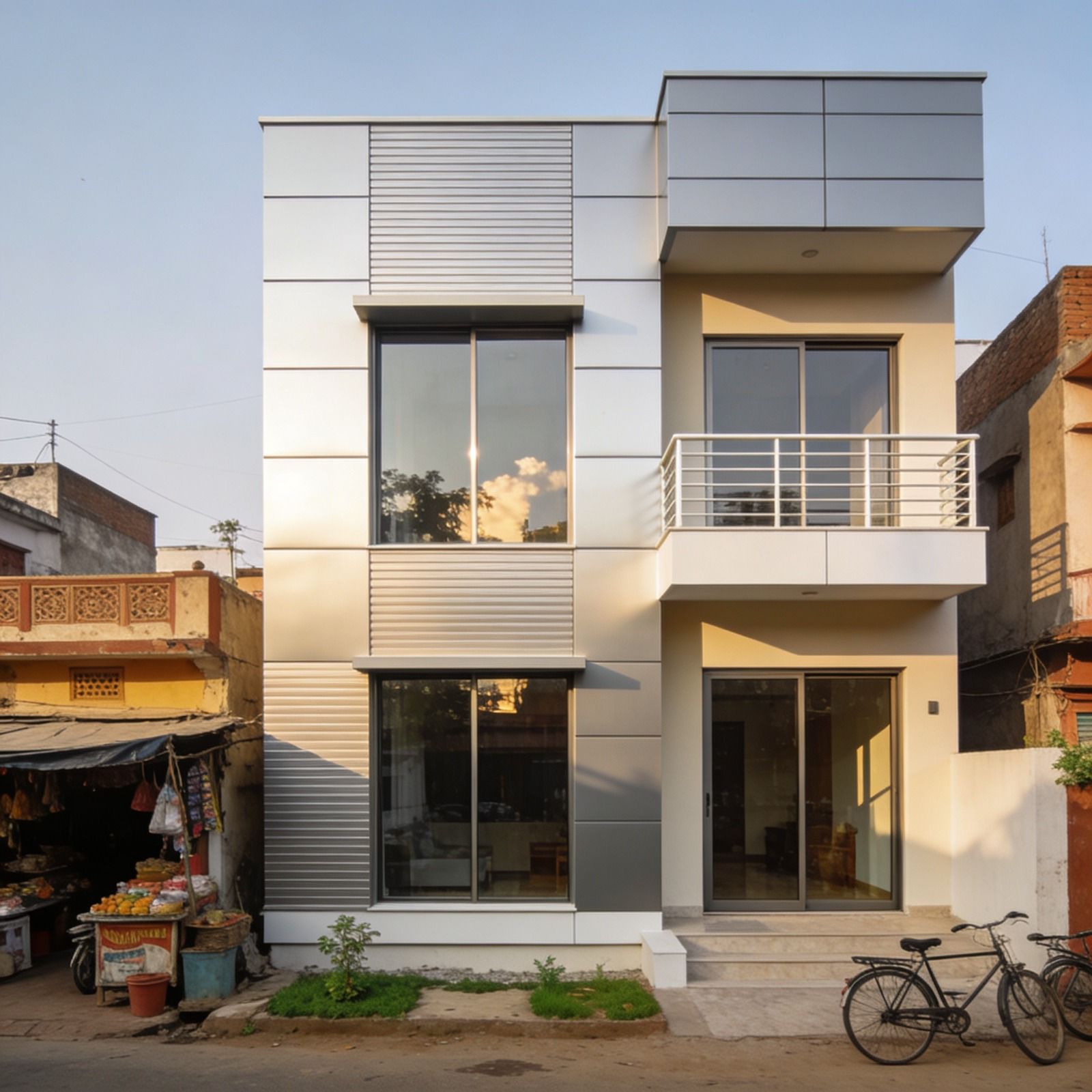
Low-rise buildings (up to 5 floors):
For smaller structures, lightweight ACP panels are sufficient while maintaining aesthetic appeal and cost efficiency.
- Recommended Thickness: 3mm Use Upto 3 Floor & 4mm (0.25) Upto 5 Floor
- Ensure clean framing (focus on facade)
- Benefits: Cost-effective, easy installation, lightweight
Mid-rise structures (6-12 floors):
Mid-rise buildings require stronger panels to withstand moderate wind loads and maintain structural rigidity over time.
- Recommended Thickness: 4mm (0.50) Or 6mm (0.30 To 0.50mm) Can Use For High Rise Buildings As Per Architec Instruction
- Coil Thickness: 0.50mm
- Benefits: Better stiffness, reduced deformation, improved durability
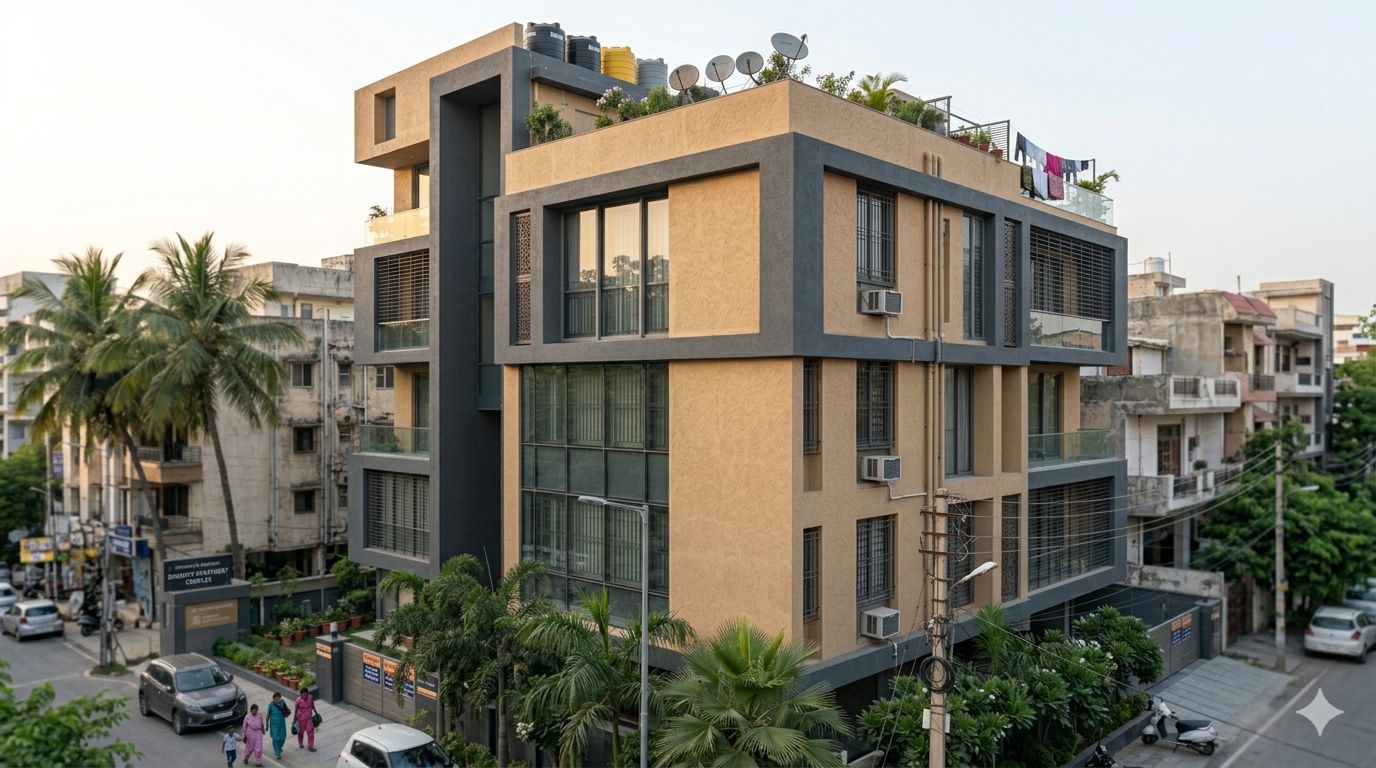
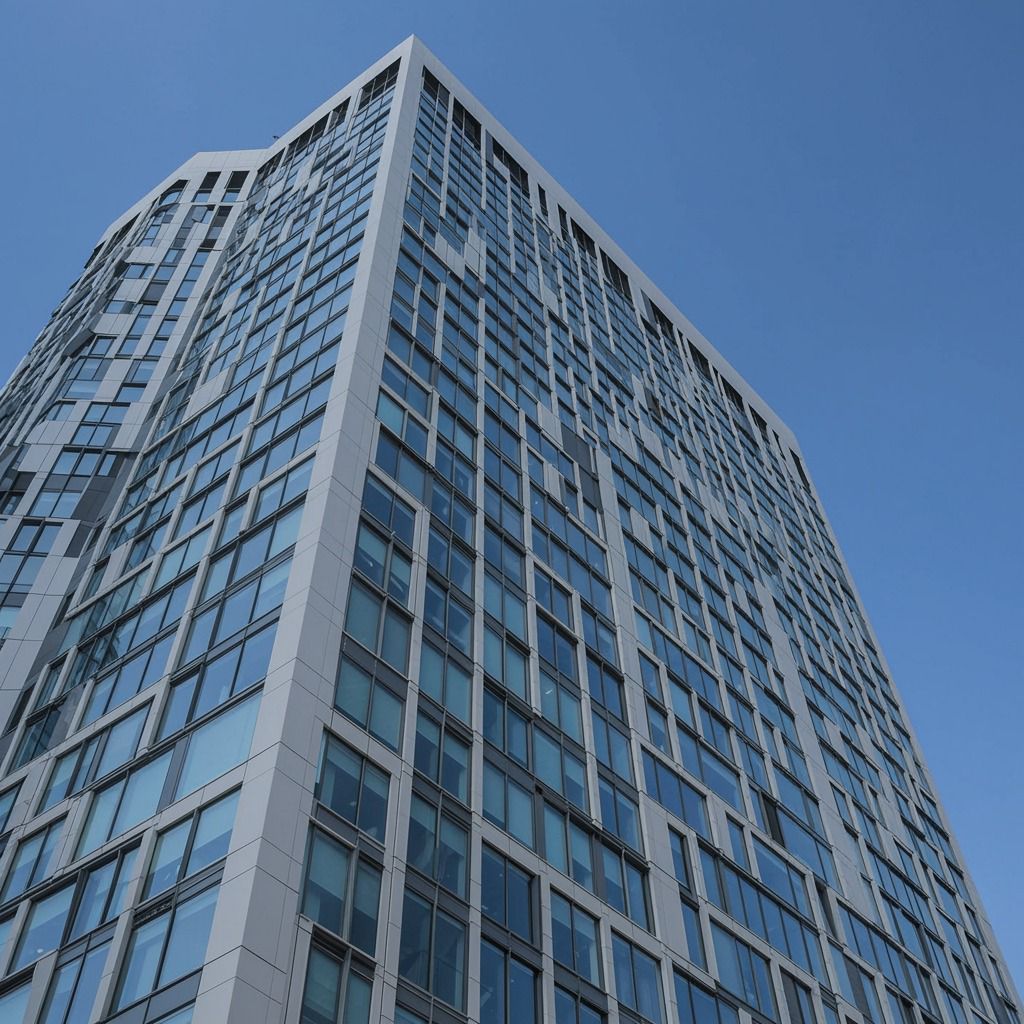
High-rise buildings & open-structure designs:
High-rise and exposed structures demand maximum strength, stability, and long-term performance under heavy wind pressure.
- Recommended Thickness: 6mm
- Coil Thickness: 0.30–0.70mm
- Applications: Towers, airports, metro stations, infrastructure projects
Quick Comparison Table
| Building Type | Thickness | Use Case |
|---|---|---|
| Low Rise | 3mm | Interiors / small facades |
| Mid Rise | 4mm | Apartments / offices |
| High Rise | 6mm | Towers / infrastructure |
Low-rise buildings (up to 5 floors):
4mm ACP with 0.25 mm coil thickness is generally suitable for exterior use in low-wind environments and economical projects.
Mid-rise structures (6-12 floors):
4mm ACP with 0.50 mm coil thickness is recommended to ensure better wind-load performance, stiffness, and reduced panel deformation.
High-rise buildings & open-structure designs:
6mm ACP (with coil thickness options from 0.30 mm to 0.70 mm) provides the rigidity
and long-term stability required for heavy wind loads and exposed façades.
Ideal for high-rise towers, airports, metros, and infrastructure projects.
Can 3mm ACP be used outdoors?
Only for sheltered areas or small or low-rise façades. Exposed exteriors demand a minimum of 4mm to ensure safety and stability.
Thickness Recommendations for Interior Applications
Interior applications prioritize aesthetics, flexibility, and ease of installation over heavy structural performance.
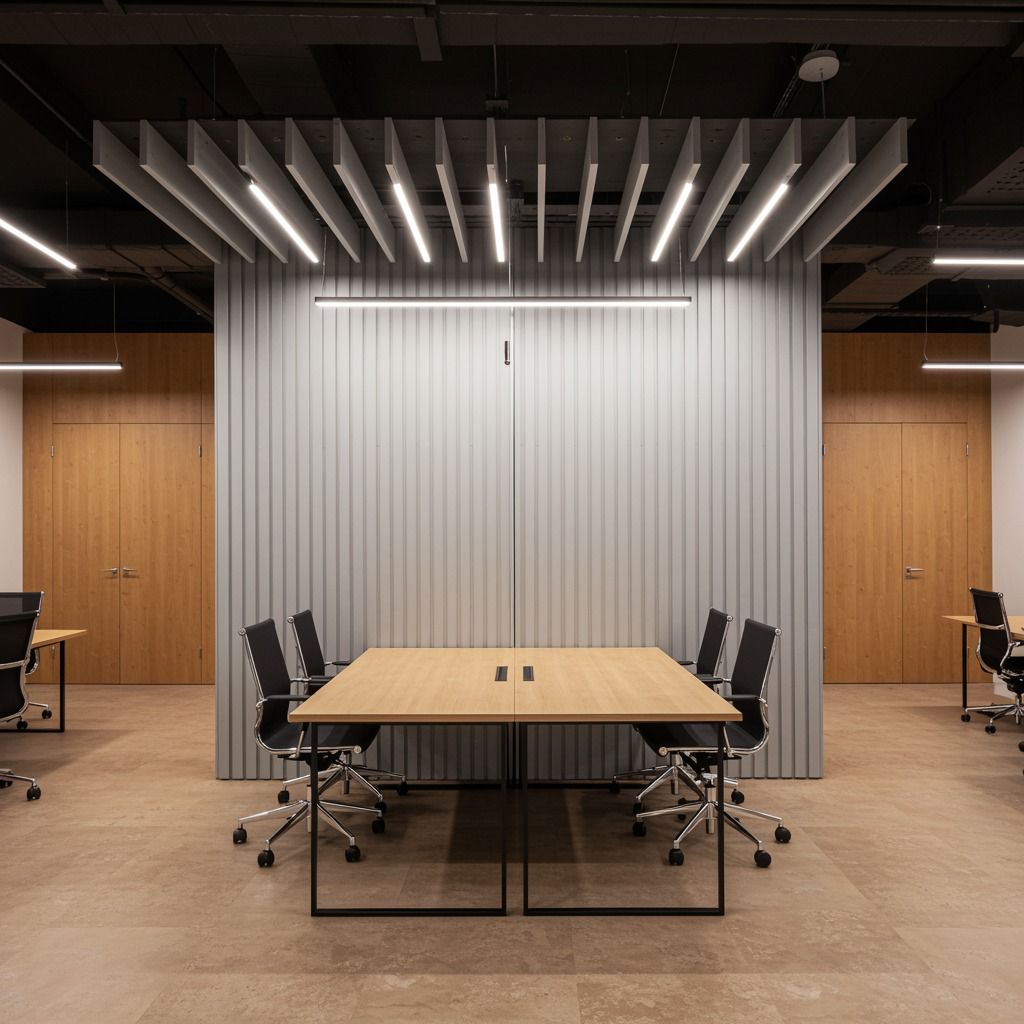
Thickness Recommendations for Interior Applications
Interior applications prioritize aesthetics, flexibility, and ease of installation over heavy structural performance.
1. Wall paneling and ceilings:
- 3mm ACP recommended
- Lightweight and easy to fabricate
- Clean finish with modern appeal
2. Partitions and signage:
- 3mm–4mm thickness
- Balanced durability and design
- Ideal for branding and internal structures
3. Commercial interiors:
- 4mm ACP recommended
- Suitable for high-traffic areas
- Better impact resistance and longevity
Wall paneling and ceilings:
- 3mm ACP recommended
- Lightweight and easy to fabricate
- Clean finish with modern appeal
Partitions and signage:
- 3mm–4mm thickness
- Balanced durability and design
- Ideal for branding and internal structures
Commercial interiors:
- 4mm ACP recommended
- Suitable for high-traffic areas
- Better impact resistance and longevity
Frequently Asked Questions
Can 3mm ACP be used outdoors?
3mm ACP can be used in low-rise or sheltered exterior areas. For exposed conditions, a minimum of 4mm thickness is recommended for safety and durability.
What thickness is best for high-rise buildings?
6mm ACP panels are recommended for high-rise buildings due to their superior strength and ability to withstand wind pressure.
Is thicker ACP always better?
Not necessarily. The right thickness depends on application, building height, and environmental exposure.